
1. Check the Supplier’s Fabric Quality
Fabric quality directly affects the appearance, performance, and durability of finished garments.
· Fabric composition
Check whether the actual fiber composition matches the supplier’s specifications. This is especially important when your clothing requires specific performance or certification standards.
· GSM and width consistency
Consistent GSM and width help maintain stable garment quality and production efficiency.
· Stretch and recovery
For stretch fabrics, test how easily the fabric stretches and whether it returns to its original shape. Good recovery helps garments maintain their fit after repeated use.
2. Evaluate the Supplier’s Production Capacity
A supplier’s production capacity directly affects your order quantity, lead time, and delivery reliability.
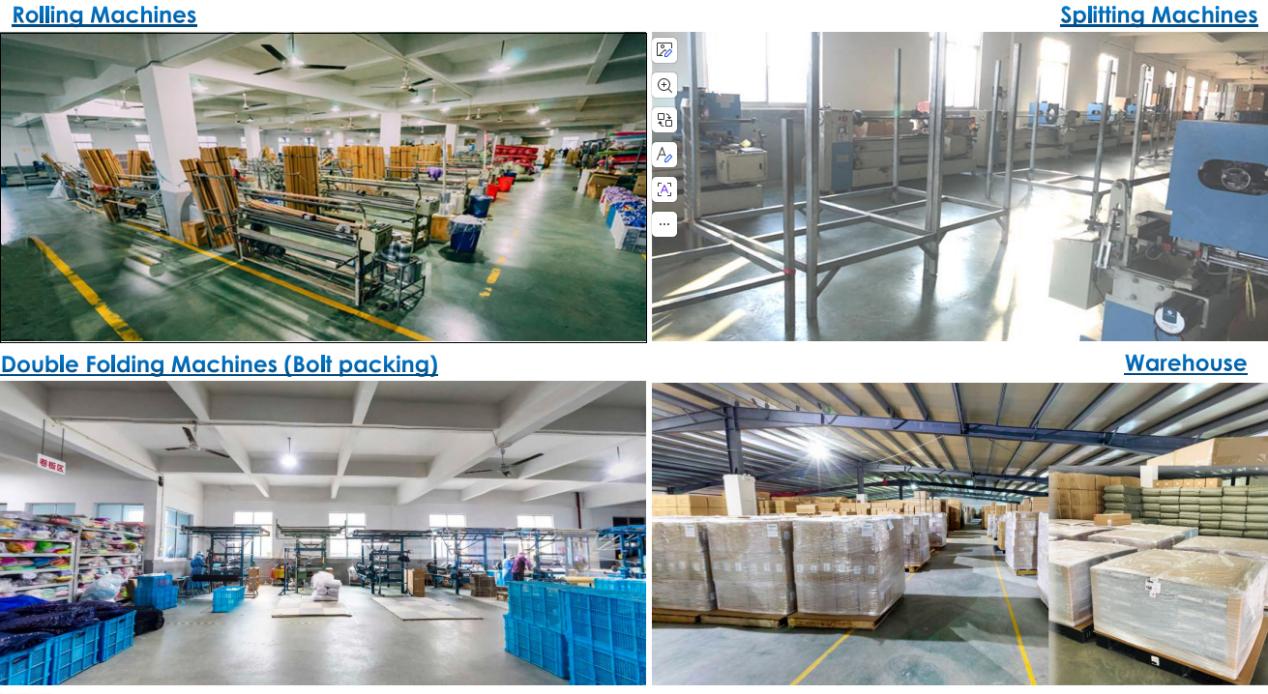
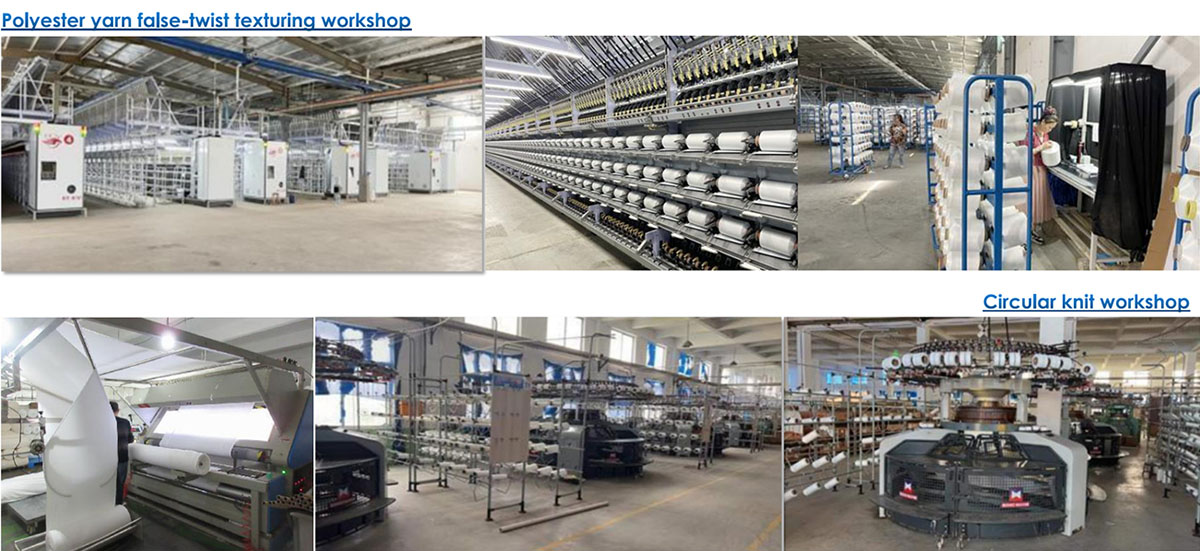
· Factory production equipment
· Monthly production capacity
· Product categories
· Ability to handle bulk orders
· Production stability during peak seasons
3. Look for Fabric Customization Options
Different clothing businesses may have different fabric requirements. A supplier with flexible customization options can better support your product development and production needs.
· Custom colors
· Custom GSM and width
· Custom patterns and structures
· OEM and private-label requirementsOEM
4. Check Lead Time and Delivery Reliability
Reliable delivery is important for clothing businesses because fabric delays can affect production schedules and product launches.
· Sample lead time
· Bulk production time
· Shipping preparation
· On-time delivery record
5. Ask About Certifications and Quality Standards
Certifications and quality standards can help you evaluate whether a fabric supplier meets your product and market requirements.
· OEKO-TEXOEKO-TEX
· GRS for recycled fabrics
· Quality inspection
· Compliance requirements for different markets
6. Review the Supplier’s Communication and Service
Good communication can make fabric sourcing more efficient, especially when you need customization or have technical requirements.
· Technical support
· Sample service
· Problem-solving ability
· After-sales support
7. Request Fabric Samples Before Ordering
Always request fabric samples before placing a bulk order. A sample allows you to check whether the fabric meets your product requirements and helps reduce sourcing risks.
· Check hand feel
· Check color
· Test stretch and recovery
· Test shrinkage
· Check transparency
· Test washing performance
· Compare the sample with your product requirements
8. Compare Suppliers Before Making a Decision
| Factor | What to Check |
| Fabric Quality | GSM, width, composition, consistency |
| Price | Bulk price and customization cost |
| MOQ | Minimum order quantity |
| Capacity | Production capability |
| Lead Time | Sample and bulk production |
| Customization | Color, width, GSM, finish |
| Certifications | OEKO-TEX, GRS, etc |
| Service | Communication and technical support |
Post time: Aug-25-2026